Agriculture is becoming more connected, data-driven, and automated. Farmers and agricultural businesses now use Artificial Intelligence (AI), Internet of Things (IoT) devices, drones, and digital tools to improve farm operations.
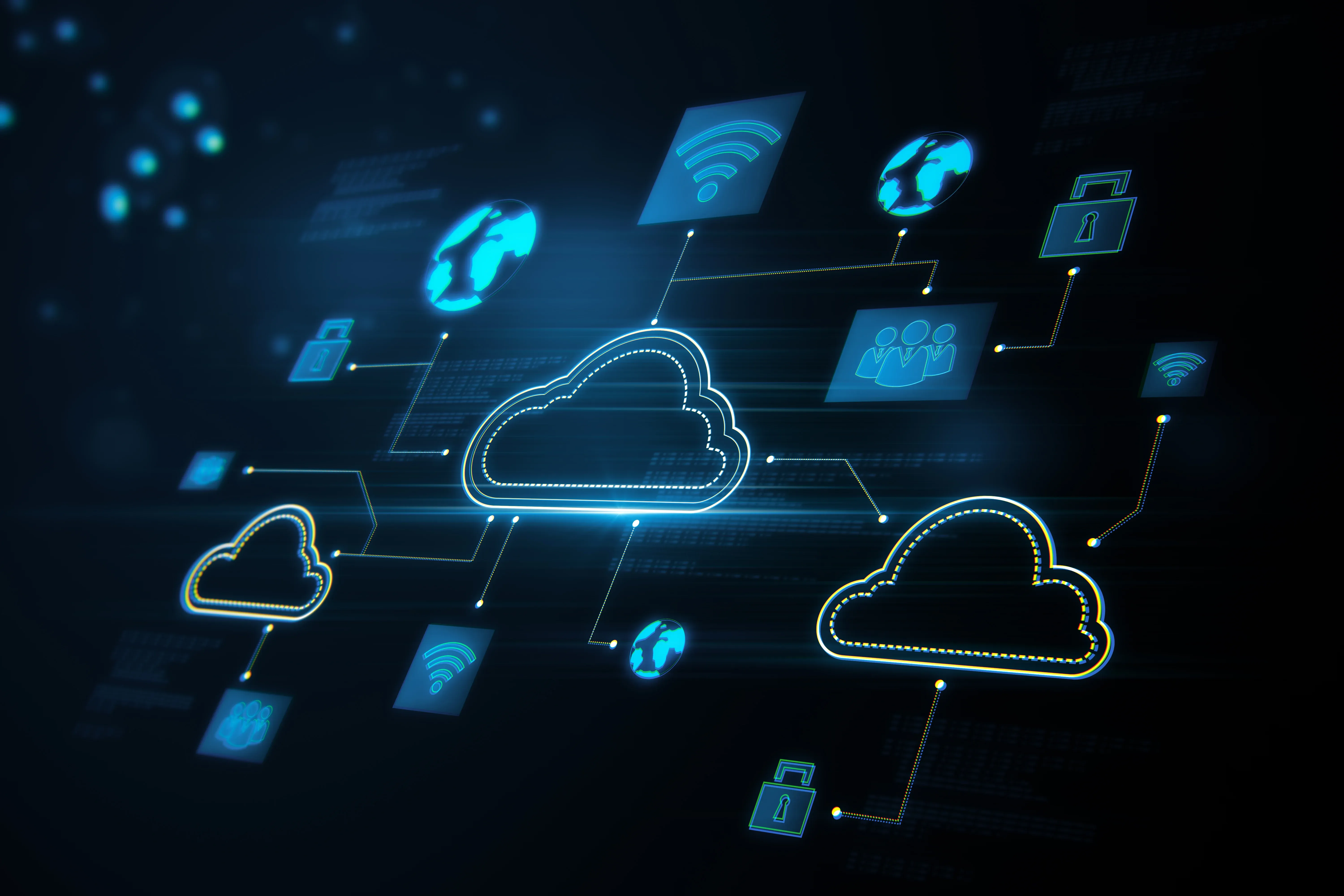
Cloud computing in agriculture brings these technologies together. It allows farms to collect, store, and analyze data from fields, equipment, weather stations, and connected devices.
This approach is often called cloud farming or smart agriculture.
Cloud technology helps farmers monitor crops, manage water, track equipment, and make better decisions. It also gives agribusinesses a flexible way to manage data and connect different systems.
In this guide, we explore seven important uses of cloud computing for agriculture, its benefits, security challenges, and how businesses can start a cloud farming project.
What Is Cloud Farming?
Cloud farming means using cloud computing to manage agricultural data, software, connected devices, and daily farming operations.
Instead of storing all information on local computers or physical servers, farms can use cloud platforms to store and process data online.
A cloud-based farming system can connect:
- IoT sensors and weather stations
- Drones and satellite data
- Crop monitoring applications
- Farm equipment and GPS devices
- Livestock management systems
- Farm management software
- AI and machine learning tools
- Inventory and financial systems
This creates a connected digital environment where farmers can access important information from computers, tablets, and mobile devices.
For example, a farmer can check soil moisture from a mobile dashboard and review irrigation needs without visiting every field.
How Does Cloud Computing Help Agriculture?
Modern agriculture produces large amounts of data. Soil conditions, crop health, weather, irrigation, and equipment performance all affect farm operations.
Cloud computing provides the infrastructure needed to collect, store, and process this information.
A smart agriculture cloud platform connects different data sources and displays important information in one place.
For agricultural businesses, this can improve resource management, reduce manual work, and support better planning.
Here are seven important cloud computing applications in agriculture.
7 Critical Use Cases of Cloud Computing in Agriculture
1. Smart Crop Monitoring
Smart crop monitoring is one of the most useful applications of cloud computing in agriculture.
IoT sensors, drones, cameras, and satellites can collect information about crops and growing conditions. This information is sent to cloud platforms for storage and analysis.
Farmers can monitor:
- Soil moisture and temperature
- Crop growth and plant health
- Water levels
- Weather conditions
- Signs of crop stress
- Possible pest and disease activity
Instead of checking every field manually, farmers can use dashboards and alerts to identify areas that need attention.
Cloud platforms can also store historical crop data. Farmers can compare current conditions with previous growing seasons and use this information to improve future decisions.
Cloud-Based Lighting Control for Agriculture
Cloud-based lighting control for agriculture is useful in greenhouses, indoor farms, and vertical farming facilities.
Connected lighting systems allow authorized users to manage lighting schedules, adjust settings remotely, and monitor energy usage.
For example, a greenhouse can use connected controllers to manage lighting based on crop requirements and operating schedules.
Local controllers should also support essential lighting operations if internet access becomes unavailable.
2. Precision Irrigation and Water Management
Water management is a major concern for agricultural businesses. Too much or too little water can affect crop growth and operating costs.
Cloud computing for agriculture helps farmers make irrigation decisions using sensor data.
For example, soil moisture sensors can send information to a cloud platform. If a field becomes too dry, the system can send an alert or connect with an automated irrigation system.
A cloud farming system can help farmers:
- Monitor soil moisture levels
- Track water consumption
- Identify dry areas
- Schedule irrigation
- Detect unusual water usage
- Review historical irrigation records
These insights can help farms avoid unnecessary watering and use available water more carefully.
When combined with automation, cloud-based irrigation systems can support more efficient farm operations.
3. AI-Powered Crop and Pest Detection
Artificial Intelligence is making cloud agriculture more advanced.
Farmers can use drones, cameras, and mobile devices to capture crop images. Cloud-based AI models can analyze these images to identify patterns linked to:
- Plant diseases
- Pest activity
- Crop stress
- Nutrient problems
- Unhealthy plants
Cloud infrastructure is useful because some AI models require significant computing resources.
Agricultural businesses can use cloud computing to process large amounts of image and sensor data without running every AI application on local farm computers.
Machine learning can also help identify patterns in historical crop information.
Explore how EurosHub Machine Learning solutions can support data analysis, predictive models, and intelligent business systems.
AI results should be reviewed by qualified agricultural professionals before important crop treatment decisions are made.
4. Farm Equipment and IoT Management
Modern farms use tractors, harvesters, irrigation systems, GPS devices, and other connected equipment.
IoT devices collect information from these machines and send it to a cloud platform.
A centralized system can help agricultural businesses monitor:
- Equipment location
- Fuel usage
- Operating hours
- Maintenance schedules
- Machine performance
- Equipment downtime
For example, equipment data may show that a machine is operating outside its normal pattern. The system can alert the maintenance team so they can investigate the issue.
This approach supports predictive maintenance and helps reduce avoidable equipment downtime.
Cloud farm management systems can also connect GPS devices, equipment software, inventory systems, and maintenance records.
5. Weather and Environmental Monitoring
Weather has a major effect on agricultural operations.
Cloud platforms can collect information from weather stations, sensors, satellites, and other data sources.
Farmers can use this information to monitor:
- Rainfall
- Temperature
- Humidity
- Wind conditions
- Soil conditions
- Weather risks
Historical weather data can also help agricultural businesses understand seasonal patterns.
When combined with AI and analytics, cloud systems can provide useful alerts for irrigation, planting, harvesting, and crop protection.
For example, a farm manager can review rainfall and soil moisture information before planning irrigation.
Cloud technology does not replace a farmer's experience. It provides additional information to support better decisions.
6. Cloud-Based Farm Management Systems
Agricultural businesses need more than crop monitoring. They also need to manage employees, inventory, equipment, expenses, and production.
Cloud-based farm management software brings these activities into one digital platform.
A cloud-based farm management system can include:
- Crop and field records
- Inventory management
- Employee task management
- Equipment maintenance
- Financial information
- Production reports
- Supply chain records
- Customer information
This can be especially useful for small and medium farms that need a simple way to organize daily operations.
For example, a farm owner can review inventory, assign tasks, and check production reports through one dashboard.
Cloud-based farm management solutions can also support multiple fields, locations, and teams.
The right system depends on farm size, internet availability, budget, and existing technology.
7. Supply Chain and Agricultural Data Analytics
Agricultural supply chains include production, storage, transportation, processing, and distribution.
Cloud computing for agribusiness connects information across these stages.
Businesses can use cloud analytics to understand:
- Production levels
- Inventory availability
- Transportation activity
- Customer demand
- Product movement
- Operating costs
- Supply chain performance
This information can help managers identify delays, improve planning, and understand business performance.
Cloud dashboards also make it easier to share reports with different teams.
Over time, historical data can help agribusinesses identify patterns and make more informed decisions.
How Is Connectivity and Cloud Technology Changing Farm Management Decisions?
Connectivity and cloud technology are changing how farmers collect and use information.
Traditional farming often depends on manual inspections and separate records. Connected farming systems provide additional information from sensors, equipment, and weather monitoring tools.
For example, soil sensors can measure moisture levels and send information to a cloud platform.
Farm managers can use this data to:
- Decide when fields need irrigation
- Monitor crops across different locations
- Identify equipment problems
- Review environmental changes
- Plan planting and harvesting
- Manage workers and equipment
Cloud platforms also allow authorized teams to access shared information from different locations.
However, reliable internet connectivity is important. Farms with limited internet access may need offline data collection, local storage, or edge computing.
Combining connectivity, IoT, and cloud technology helps agricultural businesses make more informed farm management decisions.
Cloud Farming, AI, and IoT: How They Work Together
Cloud computing becomes more useful when combined with AI and IoT.
A typical smart agriculture system works like this:
Sensors and Devices → Cloud Platform → Data Processing → AI and Analytics → Dashboard → Action
For example:
- A soil sensor measures moisture levels.
- The sensor sends information to a cloud platform.
- The platform stores and processes the data.
- An AI or analytics system evaluates the information.
- The dashboard displays the results.
- The farmer receives an alert or an approved automated action is triggered.
This combination creates the foundation for smart agriculture based on cloud computing and IoT.
It also allows agricultural businesses to connect different applications instead of managing disconnected systems.
The Impact of Cloud Computing in Agriculture
The impact of cloud computing in agriculture goes beyond online data storage.
It helps farms connect technology, improve information access, and manage daily operations more efficiently.
Some important benefits include:
Better Farm Monitoring: Farmers can review crop, soil, weather, and equipment information through connected systems.
Improved Resource Management: Data can help farms monitor water, fuel, inventory, and equipment usage.
Faster Decisions: Real-time or near-real-time information helps teams respond to changing conditions.
Better Collaboration: Different teams can access shared information based on their permissions.
Scalable Infrastructure: Cloud platforms can expand as the number of users, devices, and applications increases.
Advanced Data Analysis: Cloud systems support AI, machine learning, and reporting tools.
The actual results depend on data quality, system design, connectivity, and how well the technology fits the farm's needs.
Is Agricultural Data Secure in Cloud Platforms?
Agricultural data can include crop records, production details, equipment activity, financial information, and customer records.
This information can be valuable to farmers and agribusinesses. Protecting it should be a key part of every cloud farming project.
A properly designed cloud platform can use several security measures:
- Data Encryption: Protect information while it is stored and transferred.
- Access Controls: Allow employees to access only the information they need.
- Multi-Factor Authentication: Add another layer of protection to user accounts.
- Regular Backups: Help recover important information after accidental deletion or system failure.
- Security Monitoring: Identify unusual activity and possible threats.
- Recovery Planning: Prepare for unexpected outages and data loss.
However, cloud platforms are not automatically secure.
Security depends on the cloud provider, system configuration, user permissions, software updates, and ongoing monitoring.
Agricultural businesses should review provider security policies and data protection practices before choosing a platform.
Challenges of Cloud Farming
Cloud technology offers many benefits, but agricultural businesses should also understand its challenges.
Internet Connectivity
Some rural areas have limited or unreliable internet access. Offline capabilities and edge computing may help keep essential operations running.
Data Security
Agricultural information can be commercially important. Businesses need encryption, strong authentication, access controls, and regular backups.
System Integration
Farms may already use different software and equipment. A new cloud platform should work with existing systems where possible.
Cost Management
Cloud costs can increase as data storage, users, and computing needs grow. Businesses should monitor usage and plan their infrastructure carefully.
User Training
Farmers and employees may need training to use new digital systems. Simple dashboards and clear workflows can make technology easier to adopt.
How to Start a Cloud Farming Project
Agricultural businesses do not need to digitize every operation at once.
A better approach is to start with one clear business problem.
Step 1: Identify the Problem
Find an area where manual work, poor data, or slow decisions create challenges.
Step 2: Identify the Required Data
Determine which information is needed to solve the problem.
Step 3: Connect Data Sources
Connect relevant sensors, equipment, software, and databases.
Step 4: Build the Cloud Infrastructure
Choose a cloud platform that can securely store and process the required information.
Step 5: Create Dashboards and Automation
Build simple dashboards that help users understand information and take action.
Step 6: Measure the Results
Track useful business metrics such as water usage, equipment downtime, labor time, production, and operating costs.
Step 7: Scale Carefully
Once the first system works, additional AI, IoT, analytics, and automation features can be added.
For a broader look at technology adoption, read our guide on measuring and improving digital maturity.
How EurosHub Can Help with Cloud and AI Solutions
EurosHub is a software and IT solutions company that builds AI-powered business systems, cloud infrastructure, automation, and custom software.
Agricultural businesses can benefit from connected technology designed around their operational needs.
EurosHub can support projects involving:
- Cloud-based software platforms
- IoT data integration
- AI and machine learning applications
- Custom farm management dashboards
- Business process automation
- Database and system integration
- Cloud infrastructure and DevOps
Our Cloud Computing solutions focus on scalable infrastructure, monitoring, security, and reliable application performance.
Our AI Automation solutions help connect applications and workflows to reduce repetitive manual tasks.
For example, an agricultural business could build a centralized platform that collects equipment information, displays operational reports, and sends alerts when specific conditions need attention.
The right solution depends on the business problem, available data, existing systems, and budget.
To understand how automation can improve connected business operations, read our article on why AI automation is becoming a business advantage.
Contact EurosHub to discuss your cloud computing, AI, and custom software requirements.
Frequently Asked Questions
How Can Cloud Computing Be Used in Agriculture?
Cloud computing can support crop monitoring, smart irrigation, AI-powered pest detection, equipment tracking, weather monitoring, farm management, and agricultural data analytics.
Is Agricultural Data Secure in Cloud Platforms?
Agricultural data can be secure when cloud platforms use encryption, strong authentication, access controls, regular backups, and security monitoring. Businesses should also review their provider's security policies.
How Does Cloud Computing Help Agribusinesses?
Cloud computing helps agribusinesses connect operational systems, monitor resources, analyze production data, manage supply chains, and improve business planning.
What Is a Cloud-Based Farm Management System?
A cloud-based farm management system is software that stores and manages farm information online. It can help businesses manage crops, inventory, employees, equipment, expenses, and production reports.
Final Thoughts
Cloud computing is helping agriculture move from disconnected tools toward connected, data-driven operations.
From smart crop monitoring and precision irrigation to AI, IoT, equipment management, and supply chain analytics, cloud technology can support many areas of modern farming.
The real value of cloud computing in agriculture is not simply storing farm data online. It is connecting useful information with better decisions, automation, and measurable business outcomes.
Agricultural businesses can start with one important use case, measure its results, and expand their technology as their needs grow.
With the right cloud infrastructure and software, cloud farming can support more connected, efficient, and scalable agricultural operations.